
What Does It Mean to Truly Live Outside?
Transform Your Backyard Into a Masterpiece of Outdoor Living
Outdoor living is the practice of extending everyday home activities—such as dining, relaxing, and entertaining—into an exterior space designed for comfort and function. By integrating elements like weather-resistant furniture, shade structures, and ambient lighting, you create a seamless transition between indoor convenience and fresh-air enjoyment. This approach transforms a simple patio or backyard into a versatile extension of your home, offering the practical benefit of more usable square footage while encouraging regular connection with nature. Ultimately, its value lies in how it enhances daily routines without requiring any change to your lifestyle—just a shift in location.
What Does It Mean to Truly Live Outside?
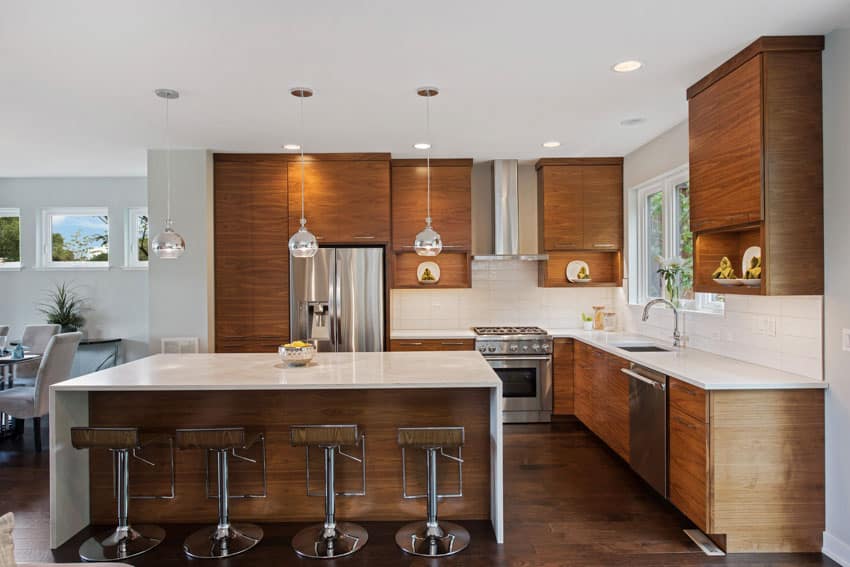
To truly live outside means shifting your indoor routines into the open air, not just hosting occasional meals there. It’s establishing a permanent, functional zone where cooking, resting, and socializing happen daily, regardless of mild weather. This requires durable, weather-resistant furniture and zoned outdoor living spaces that mimic indoor flow—a defined cooking area, a shaded lounge, and a dining spot. The real test is usability: if you need to carry cushions indoors every night or shield electronics from drizzle, you are visiting nature, not living in it. Embrace heat sources like fire pits or patio heaters to extend comfort into cooler evenings, and install permanent lighting for after-dark functionality. Only when your outdoor space functions without indoor support have you achieved true outdoor living.
Defining the Outdoor Room and Its Core Purpose
An outdoor room transforms a bare patio or lawn into a deliberate, functional extension of your home. Its core purpose is to create a defined space that supports a specific activity—dining, relaxing, or entertaining—while keeping you immersed in fresh air. Unlike a deck with scattered furniture, this room has a clear boundary, whether from pergolas, planters, or a shift in flooring. Intentional zoning is the foundation of a successful outdoor room, guiding flow and comfort. Without a purpose, an outdoor area remains merely scenery, not a livable space.
- Anchor the room with a focal point, such as a fire pit or dining table.
- Use vertical elements like trellises or curtains to create walls and privacy.
- Match furniture and lighting to the room’s primary function.
- Zone for transitions, like a cooking area separate from seating.
How a Well-Designed Exterior Extends Your Home’s Usable Footprint
A well-designed exterior effectively adds square footage by transforming underutilized land into functional zones for dining, lounging, or cooking. Instead of treating the yard as a visual afterthought, you can anchor a patio with a built-in kitchen or fire pit, creating a seamless transition from interior circulation. This strategic layout means a modest home can host large gatherings without crowding indoor rooms. Extending usable living space outdoors also reduces daily reliance on formal areas, turning a deck into a morning coffee spot or an al fresco office. By zoning for distinct activities, you gain a practical, year-round bonus room—without foundation costs—while maintaining comfort, shade, and privacy.
Key Elements That Turn a Backyard Into a Destination
A backyard becomes a true destination when it moves beyond a lawn into a series of intentional, sensory experiences. The first key element is **defined zones**, created with outdoor rugs, pergolas, or low planters, which separate a dining area from a fire-pit lounge. Next, **ambient lighting**—string lights, path lanterns, or in-ground well lights—extends usability after sunset and sets a mood. Add **comfort-driven furnishings** like deep-seated cushions and weatherproof throws to encourage lingering. A **water feature**, such as a small fountain or pondless waterfall, introduces calming white noise. Finally, **outdoor cooking** options, from a built-in grill to a pizza oven, anchor social gatherings. Crucially, layering vertical elements—living walls, tall grasses, or trellises— creates privacy and depth. When these features work together, the yard becomes a seamless extension of the home, inviting daily retreats and weekend celebrations alike.
Shade Structures: Pergolas, Awnings, and Canopies That Work With the Sun
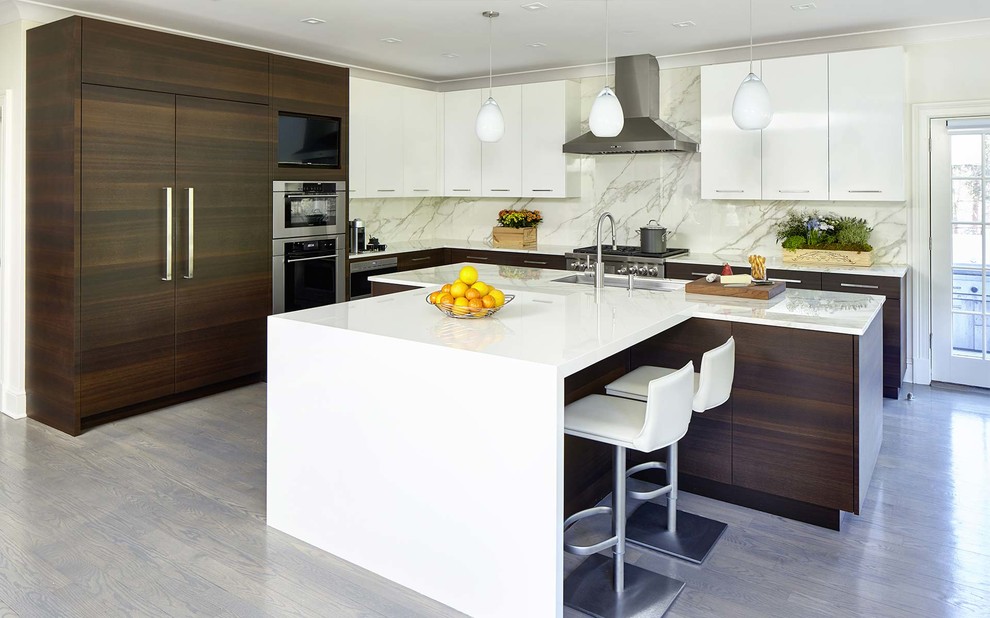
Shade structures transform a sun-baked patio into a usable destination by working with the sun’s arc rather than against it. A pergola with adjustable louvers filters harsh midday rays while allowing warm evening light through, and its open roof supports climbing vines for natural cooling. Retractable awnings offer on-demand coverage for dining areas, blocking UV radiation when needed and retracting for full sun exposure on cooler days. Tensioned canopies provide lightweight, waterproof shelter for seating zones, with angled slopes directing rainwater away from high-traffic paths. Strategic shade placement considers morning versus afternoon sun angles to extend outdoor living hours.
- Install a west-facing pergola to block intense late-day heat
- Choose light-colored fabric for awnings to reflect solar gain
- Use canopy sidewalls for wind protection without losing airflow
Flooring Options for Patios and Decks: From Pavers to Composite Decking
The foundation of any inviting outdoor room starts with the surface underfoot, and choosing between pavers and composite decking defines the entire feel and function of the space. Pavers offer exceptional durability and design flexibility, with permeable options that manage stormwater effectively while remaining cool under direct sun. Composite decking provides a splinter-free, low-maintenance alternative that resists moisture, mold, and fading without requiring yearly staining or sealing. For the best of both worlds, consider alternating materials to zone areas, like porcelain pavers for a dining zone paired with capped composite boards for a lounging path. Your choice ultimately balances budget, climate, and how much upkeep you are willing to commit to for year-round enjoyment.
Choosing the right patio and deck flooring impacts comfort and longevity.
- Textured or brushed pavers reduce slip hazards near pools.
- Composite decking hides fastener holes with hidden clips for a clean look.
- Large-format pavers minimize grout lines and weed growth.
- Lighter-toned materials reflect heat better in hot climates.
Outdoor Heating and Fire Features for Year-Round Comfort
Extending your backyard’s usability hinges on strategic outdoor heating and fire features, which turn chilly evenings into cozy gatherings. A propane patio heater offers instant, adjustable warmth for dining areas, while a wood-burning fire pit creates a natural focal point for marshmallow roasts and deep conversations. For seamless year-round comfort, consider mounting infrared heaters under a pergola to radiate heat directly onto seating zones without wasting energy on the surrounding air. Chimineas add rustic charm and directional heat, but remember to position them away from wind and overhanging branches. Pair these with weather-resistant cushions and outdoor blankets, and your space becomes usable well past sunset. Q: What is the best way to heat a large open patio? A: A high-output propane patio heater or a dual-sided fire table works best, as they provide broad, radiant heat that feels natural and doesn’t dry out the air.
Designing the Perfect Layout for Cooking, Dining, and Lounging
The heart of outdoor living design is a fluid triangle between the grill, the table, and the seating pit. Place the cooking zone against the prevailing wind to keep smoke from drifting into the lounge, and give it a solid counter for plating. Position the dining area a comfortable 8–10 feet away but on the same hardscape plane for easy plate passing. The lounging corner should sit slightly lower, perhaps with a sunken fire pit, creating a distinct, relaxed destination without blocking traffic flow. Use a pergola to shade dining, while letting the lounge catch the last evening light. This spatial choreography ensures you can sear, serve, and sink into a chair without ever breaking conversation.
Zoning the Space: Separate Areas for Meals, Conversation, and Relaxation
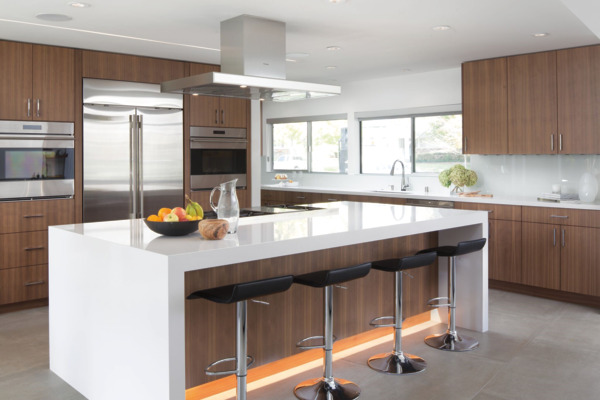
Effective outdoor living hinges on distinct functional zones for dining, conversation, and relaxation. Anchor the meal area near the kitchen or grill to shorten serving routes, using a hard surface like pavers for stability. Position the conversation zone around a fire pit or low table, angled toward a focal point but away from heavy foot traffic. The relaxation area should sit furthest from activity, tucked into a shaded corner with deep seating and soft landscaping. Use area rugs, planters, or a change in decking material as visual dividers between zones. Ensure each zone has its own lighting layer—task lights for dining, ambient glow for lounging.
- Place the dining zone downwind of the grill to avoid smoke.
- Keep circulation paths at least 90 cm wide between zones.
- Use outdoor curtains or trellises to visually separate the relaxation nook.
Choosing the Right Furniture Materials That Resist Weather and Wear
Selecting materials for outdoor furniture demands a hierarchy based on exposure. Teak and powder-coated aluminum offer the best longevity, resisting moisture and UV degradation without warping. For lounging zones, quick-dry synthetic wicker with a welded aluminum frame outperforms natural rattan, which cracks under thermal cycling. Dining surfaces benefit from porcelain slabs or HDPE (high-density polyethylene), both non-porous and stain-resistant. Avoid untreated iron, which corrodes in coastal air; instead, opt for stainless steel or marine-grade polymer. Cushions require solution-dyed acrylic fabrics, which hold color and shed water effectively. Prioritize removable, washable covers for maintenance. A direct question: Which material best endures constant sun and rain? Answer: powder-coated aluminum with rust-proof hardware, paired with UV-stabilized synthetic fibres, ensures a decade of functional seating without cracking, peeling, or rusting.
Lighting Strategies That Create Ambience and Safety After Dark
After dark, your outdoor layout transforms through layered illumination that guides movement and sets mood. Path lights with downward-facing shields prevent glare while defining walkways between cooking, dining, and lounging zones. For dining areas, hang dimmable pendants at 30 inches above the table to flatter faces without casting harsh shadows. Uplighting trees or architectural walls adds vertical interest, while low-voltage step lights eliminate trip hazards on stairs and changes in elevation. Use warm 2700K bulbs to mimic firelight, and place lanterns on side tables for intimate corners. This ambient safety approach merges practicality with evening charm.
- Place motion-sensor floods near entry points for instant visibility
- Install dimmer switches for flexible scene control
- Use LED candles in glass hurricanes for windproof accents
Adding Practical Features That Enhance Everyday Use
Adding practical features transforms an outdoor space from scenic to genuinely functional. Prioritize zones that answer daily needs: a built-in prep counter beside the grill eliminates trips indoors, while a weatherproof charging station keeps devices powered for music or recipes. Retractable awnings or shade sails respond instantly to sun shifts, protecting seating without permanent obstruction. A compact outdoor sink with hot water makes hand-washing and veggie prep effortless, and hidden gear storage—like a bench with lift-up seats—keeps cushions and tools accessible yet tidy.
Every feature should reduce friction: the best upgrades are the ones you use without thinking.
Finally, install motion-sensor path lights or a simple gravel pad for bikes, ensuring the space works smoothly from morning coffee to evening gatherings. These additions turn a backdrop into a live-in extension of your home.
Outdoor Kitchens: Grills, Refrigerators, and Counter Space Essentials
An outdoor kitchen’s utility hinges on three outdoor kitchen essentials: the grill, refrigeration, and counter space. Position the grill facing prevailing winds to prevent flare-ups, and flank it with 24 inches of heat-resistant countertop on each side for safe landing zones. A built-in refrigerator should sit shaded from direct sun to maintain efficient cooling, preferably on the prep side rather than near the grease-prone cooking area. Allocate at least 36 inches of continuous, sealed granite or stainless counter space for staging raw ingredients and plated dishes. Arrange them in a working triangle:
- Unload chilled items from the fridge to the left counter.
- Move ingredients to the grill center.
- Rest cooked food on the right counter—never cross paths between raw and cooked zones.
This flow reduces steps and keeps surfaces hygienic.
Weatherproof Storage for Cushions, Tools, and Entertainment Gear
Keep cushions dry and mildew-free in sealed deck boxes, while wall-mounted cabinets stash gardening tools and barbecue accessories within arm’s reach. For entertainment gear, opt for a rugged, lockable console that shields speakers, remotes, and cabling from rain and humidity without sacrificing style. Choose UV-resistant materials like resin or powder-coated aluminum, and ensure drainage holes in the base to prevent pooling. Rotate seasonal items seasonally and add silica packs for moisture control. This weatherproof outdoor storage system transforms clutter into instant functionality, letting you grab a drink, tune the sound, or grab a trowel mid-conversation.
Weatherproof storage protects cushions, tools, and entertainment gear from moisture and sun, keeping every outdoor moment seamless and organized.
Screens, Curtains, and Windbreaks for Privacy and Bug Control
For a cozier, more usable outdoor space, privacy screens for patios and decks are absolute game-changers. Retractable curtains on a pergola offer instant shade and block nosy neighbors, while freestanding windbreaks keep gusts from ruining a calm dinner. Mesh screens are your best bet for bug control, letting breezes through but keeping mosquitoes out—perfect for a screened-in section or around a dining table. Solid fabric panels double as both wind barriers and visual blockers, and they’re easy to tie back when you want an open view. Mixing materials lets you adapt to weather, light, and insects without overhauling your whole setup.
Smart Ways to Maintain and Protect Your Exterior Living Space
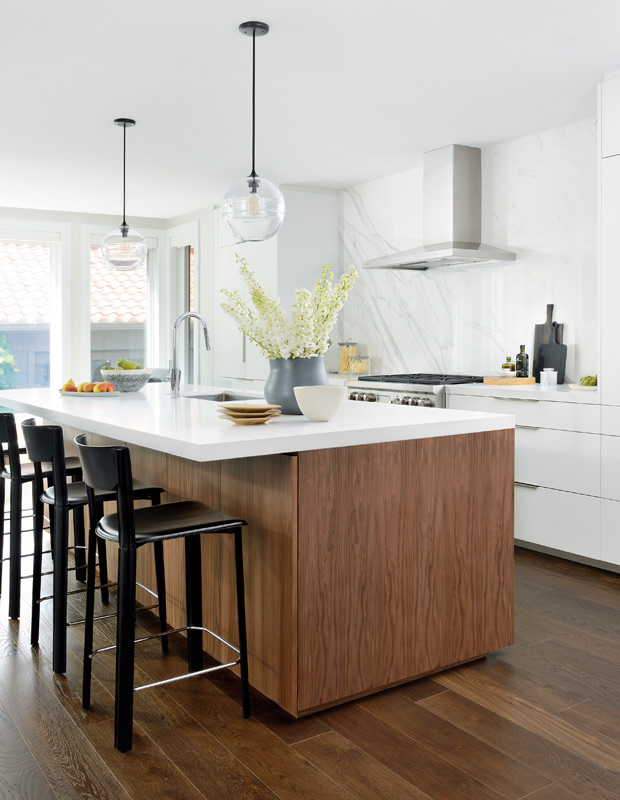
Protect your outdoor divine home haven by scheduling seasonal deep cleans—pressure-washing patios and sealing natural stone prevents moss and staining before they take hold. Invest in weatherproof covers for furniture and grill stations, and apply UV-resistant treatments to wood decks every two years to fend off cracking and fading. Smart drainage is vital: route downspouts away from foundations and install permeable pavers to stop erosion during heavy rain. **Proactively trim overhanging branches to shield roofing and seating from storm damage.** Choose mildew-resistant cushions and rust-proof hardware to slash maintenance time. For a quick assessment, ask yourself: “Should I inspect fasteners and joints before winter, or risk costly repairs come spring?” The answer is always the inspection—it extends the life of every structure you rely on.
Seasonal Cleaning and Care Routines for Furniture and Decking
Twice a year—once in early spring and again before winter storage—initiate a deep clean of your outdoor furniture and decking. For composite decking, use a gentle pH-neutral deck cleaner and a soft-bristle brush, scrubbing along the grain to lift embedded mildew without scratching the protective cap. For powder-coated aluminum frames, a solution of warm water and mild dish soap removes oxidation, while teak requires a specialized brightener to restore its honey tone. After cleaning, apply a breathable, water-repellent sealer to wooden surfaces and a UV-protectant to cushions. This cyclical, seasonal care routine significantly extends the life of your exterior living space by preventing moisture ingress and sun damage.
How to Extend Usable Time With Blankets, Misters, and Portable Fans
To stretch your patio time into cooler evenings, keep a stack of washable throws near seating—they trap body heat without the bulk of heavy coats. For scorching afternoons, a misting system or a simple handheld mister drops the air temperature around you by several degrees, making even 95°F bearable. Position a portable fan to push that cool mist across your seating zone, or aim it at a shaded corner where stagnant air collects. *Dampening a bandana and draping it over your neck, then letting the fan hit it, creates a personal micro-climate.* Rotate these tools based on the sun’s path—misters on the west side at dusk, blankets near the fire pit once the dew settles.
Budget-Friendly Upgrades That Deliver the Biggest Comfort Gains
For the biggest comfort gains on a budget, start by upgrading your seating with deep cushions and weather-resistant throws; this instantly transforms hard surfaces into inviting lounging spots. Next, install outdoor curtains or bamboo blinds on a simple track to block harsh sun and create a cozy, enclosed feel. Layering an affordable outdoor rug defines the space and adds softness underfoot. Finally, invest in a portable propane fire pit or a string of warm LED lights. Strategic comfort-focused upgrades prioritize these high-impact elements:
- Assess your primary use time and add shade or heat for that window.
- Upgrade seating surface textures before adding decorative pieces.
- Introduce soft lighting and a focal heat source to extend usable hours.
These changes directly target physical ease and ambience without requiring structural work.


